
Food
Prime’s New Uber Eats Benefit: Zero Delivery Fee Isn’t a Zero-Fee Dinner
Amazon’s November 5 benefit applies to qualifying restaurant orders of $25 or more. Compare the final total, not just the delivery line.
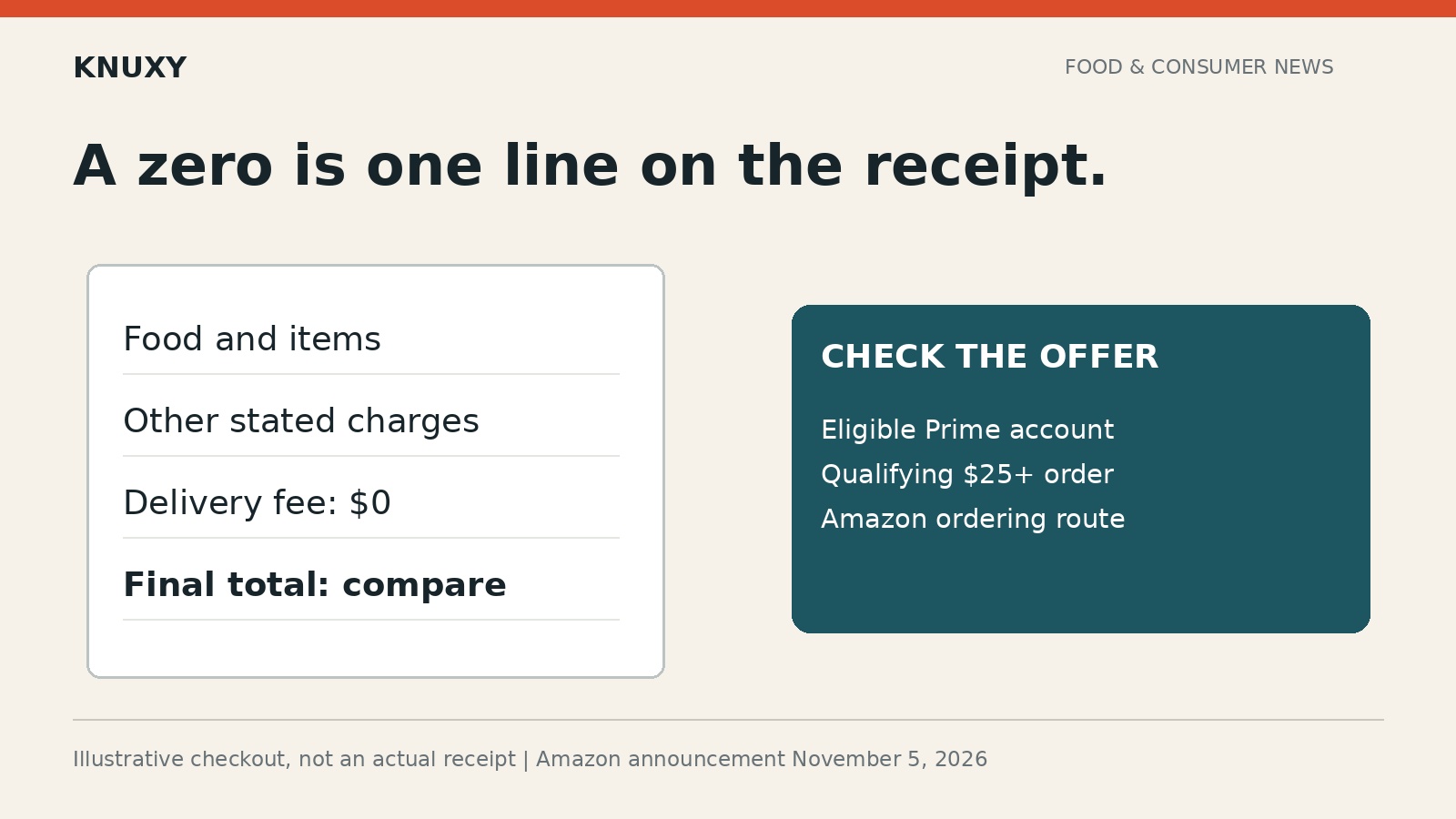
Amazon has added another reason to remain inside its shopping app: dinner. The companies’ November 5 announcement says U.S. Prime members can order restaurant delivery through Amazon, powered by Uber Eats, with a $0 delivery fee on qualifying orders of $25 or more. Ordering is available on Amazon.com and in the Amazon Shopping app.
That is a specific benefit, not a promise that the entire transaction carries no added cost. A waived delivery charge is one line in a checkout total. The useful comparison is what leaves your account for the same dinner, from the same restaurant, at the same time.
What the launch actually offers
Amazon’s consumer explanation says members can use existing Amazon credentials and payment methods without creating a new Uber Eats account. The launch also advertises $20 off each of the first two eligible orders of at least $25 during the first 14 days, subject to offer terms. Check the offer displayed for your account before counting it as money saved.
The company’s headline annual-savings estimate is conditional. Its announcement footnote bases the estimate on ordering behavior and available discounts, with a comparison against Uber Eats ordering without Uber One. It is not a guaranteed rebate, a universal reduction in the price of dinner, or proof that buying more deliveries will improve a household budget.
The Associated Press independently reports the partnership and says the existing Grubhub Prime benefit will wind down as the new arrangement begins. Existing users should check the terms and notices attached to their own accounts rather than assuming every previous perk transfers unchanged.
The comparison worth making once
Our suggested test is straightforward. Put an identical order together through the restaurant’s own ordering option, if available, and through the Amazon offer. Compare menu items, portion choices, any stated charges, the delivery arrangement and the final total. Keep a gratuity decision visible rather than treating it as a surprise after deciding what the meal costs.
Do not compare a pickup price with delivery and then attribute the entire difference to one company’s fee. Equally, do not let a large promotional discount conceal the normal price that returns after the introductory period. Those are different comparisons, and both can be useful when labeled honestly.
A threshold also changes the arithmetic. If the dinner you wanted falls below $25, adding an unwanted item to qualify is a new purchase. It might still produce a lower final total, or it might not. Calculate the two baskets. The promotional target is not an instruction about how hungry you ought to be.
Convenience has value; so does an honest label
The appeal is clear: fewer logins, one familiar payment flow and an extra benefit attached to a membership someone may already use. Those can be sensible reasons to choose an ordering route. The skeptical question is whether convenience is being described as savings without the checkout doing its share of the work.
For an occasional order, the relevant decision may simply be tonight’s final total and the delivery window shown. For regular use, compare a representative month after introductory offers expire. Start with orders you actually intended to place. A hypothetical annual saving becomes less persuasive when reaching it requires a new annual spending habit.
Search attention is one reason this deserves an explanation now. The US Google Trends feed listed “amazon uber eats” on November 5 when checked for this story. That establishes a current search signal, not a customer count, adoption rate or endorsement of the service.
Use the benefit if it makes the order work better for you. Just let the final receipt, rather than the largest zero on the screen, decide whether it made dinner cheaper. This is independent editorial coverage; the announcement and ordering-information links above are untagged source links.
More to explore
Food
Walmart vs. Target Thanksgiving Deals: Compare the Dinner, Not Just the Price
Walmart’s $35 basket and Target’s $30 offer use different menus, dates and serving assumptions. Here’s how to compare the real cost.
Food
Starbucks’ Holiday Menu Arrives November 5. Red Cup Day Comes Later.
New drinks arrive November 5, but the reusable-cup promotion is a separate date. Here is what the announcement actually tells you.
Food
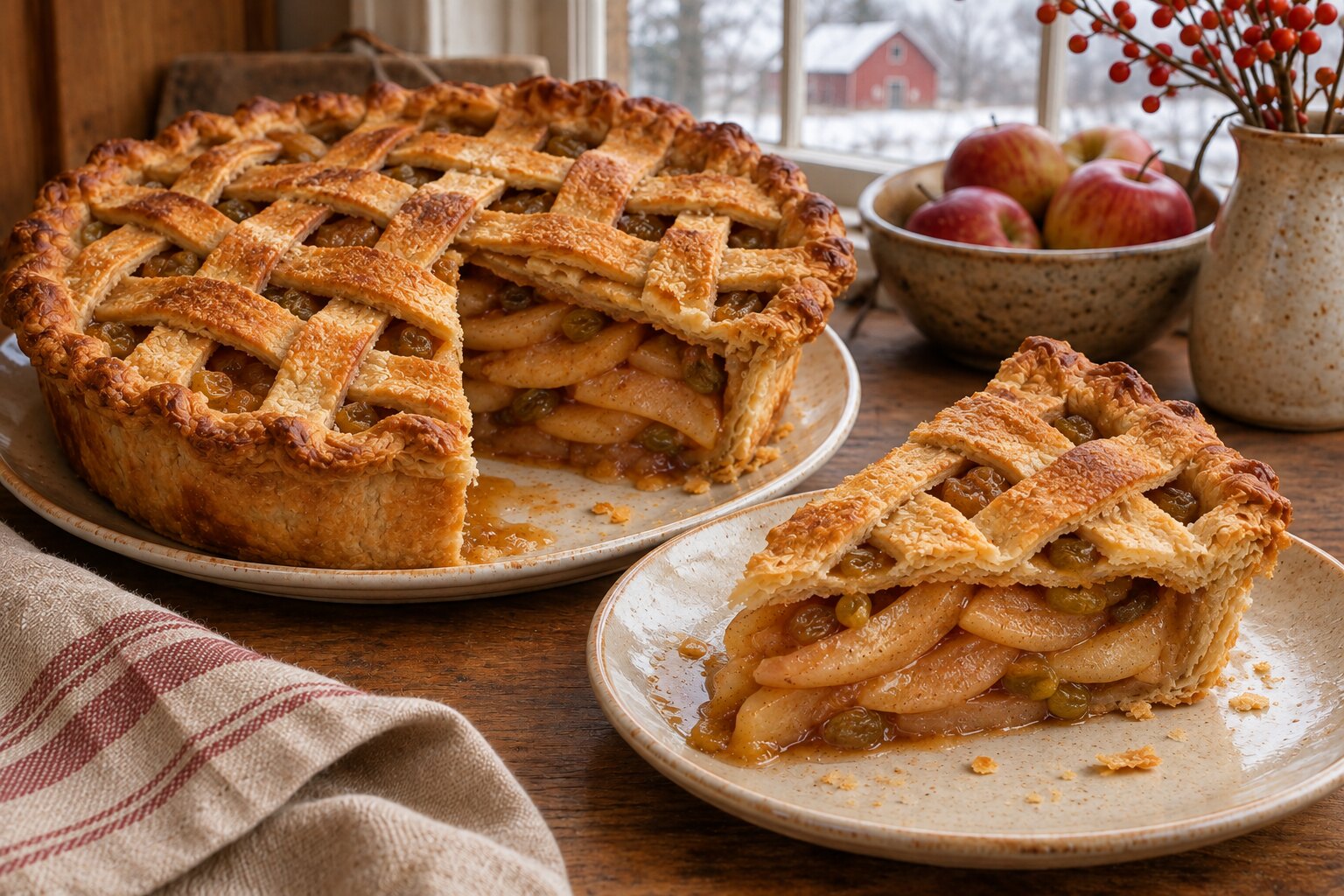
Pâte Brisée Apple Pie: Cold Butter, Overnight Apples and No Lost Juice
A lattice-topped, all-butter apple pie with peeler-shaved butter, a 24-hour chilled filling and optional rum raisins. Start a day ahead.