
Politics
Election Night Has a Scoreboard. Certification Is the Finish Line.
After Election Day, here’s how to read changing totals, projected winners and certified results without turning every update into a conspiracy.
Election night turns a spreadsheet into a spectator sport. Numbers flash, maps change color, and someone announces that a candidate has “won” while another screen is still counting. It is worth knowing which part is arithmetic, which part is a projection, and which part actually makes the result official.
After the November 3, 2026 midterms, this remains a guide to counting and certification—not a report of winners. The useful distinction is between a result that is being reported and one that has completed the checks required for certification.
Three labels that should not be interchangeable
Unofficial results are the totals released while election work continues. The U.S. Election Assistance Commission says election-night results are not final, even when a display says every precinct has reported. EAC’s reporting and certification guide.
A projected winner is a news organization’s assessment of an outcome. It is different from an election official certifying the result; the EAC explicitly distinguishes media calls from official results. A confident television graphic does not replace that distinction. How the EAC explains it.
Certification is the formal attestation by election officials that the results accurately account for the votes. It follows the relevant review procedures. The EAC says state and local officials are the authorities on their certification dates; jurisdictions do not all follow an identical sequence. Certification basics.
A changing total needs context
The EAC explains that states have different rules for counting mail, provisional, military and overseas ballots. Its guidance describes reconciliation of voters and ballots during the canvass, and notes that recounts can occur even after certification. That guidance predates this election; it is background for understanding tonight’s reporting, not a new rule announced today. Why results change.
Consider an explicitly hypothetical race: one candidate leads by 500 votes, but 20,000 ballots remain uncounted. The lead describes the counted ballots. It does not tell you the preferences on those remaining ballots. Neither does knowing that a particular batch arrived later tell you, by itself, that the batch is improper.
The questions are more specific: which ballots remain, what rules govern them, and what does the responsible election office say about the next update? “The number moved” is an observation. An explanation requires more information.
One state’s calendar is not the national calendar
California’s official voter guide says results will be updated during the canvass as counties count remaining ballots, with certified results posted by December 11, 2026. That is California’s published timetable, not a deadline for every state or a promise that every individual contest will remain undecided until then. California’s November election guide.
This is why a single national countdown can mislead. A reader following several races needs to know the jurisdiction and the status of each one. A race can have a widely accepted projected outcome while its formal certification is still pending. Those statements can coexist.
A better way to read the screen
Start with the source and timestamp. Then look for the status label, the ballots still outstanding and the next announced update. If a screenshot leaves those details out, it is missing information you need to interpret the numbers. For official state-election links, the EAC provides a directory. Find your state’s election office.
Keep claims of an error, a disputed interpretation of a rule and evidence of deliberate misconduct separate. Each deserves a different question and a different standard of support. Asking for the underlying notice, record or ruling is more useful than choosing between instant reassurance and instant panic.
That standard should survive a change in which candidate is ahead. Healthy skepticism examines the process consistently. It does not become meticulous only when the map turns the wrong color.
The practical bargain is simple: follow the count, read the qualifications, and let the evidence establish what happened. Election administration has a finish line. Television has a bedtime problem. They are not obliged to solve it on the same schedule.
More to explore

Politics
The House Majority and the Speaker Are Two Different Votes
A party majority, its leadership nomination, and the House floor vote are different stages. What to watch after the midterms.
Kitchen Equipment
Cast Iron: Why This Old-School Cookware Still Deserves a Place in Every Kitchen
Discover why cast iron excels at searing mushrooms, blackening fish, and baking crispy pan pizza. Learn the chemistry of seasoning, how it compares with Teflon, and the best ways to maintain your skillet.
US News
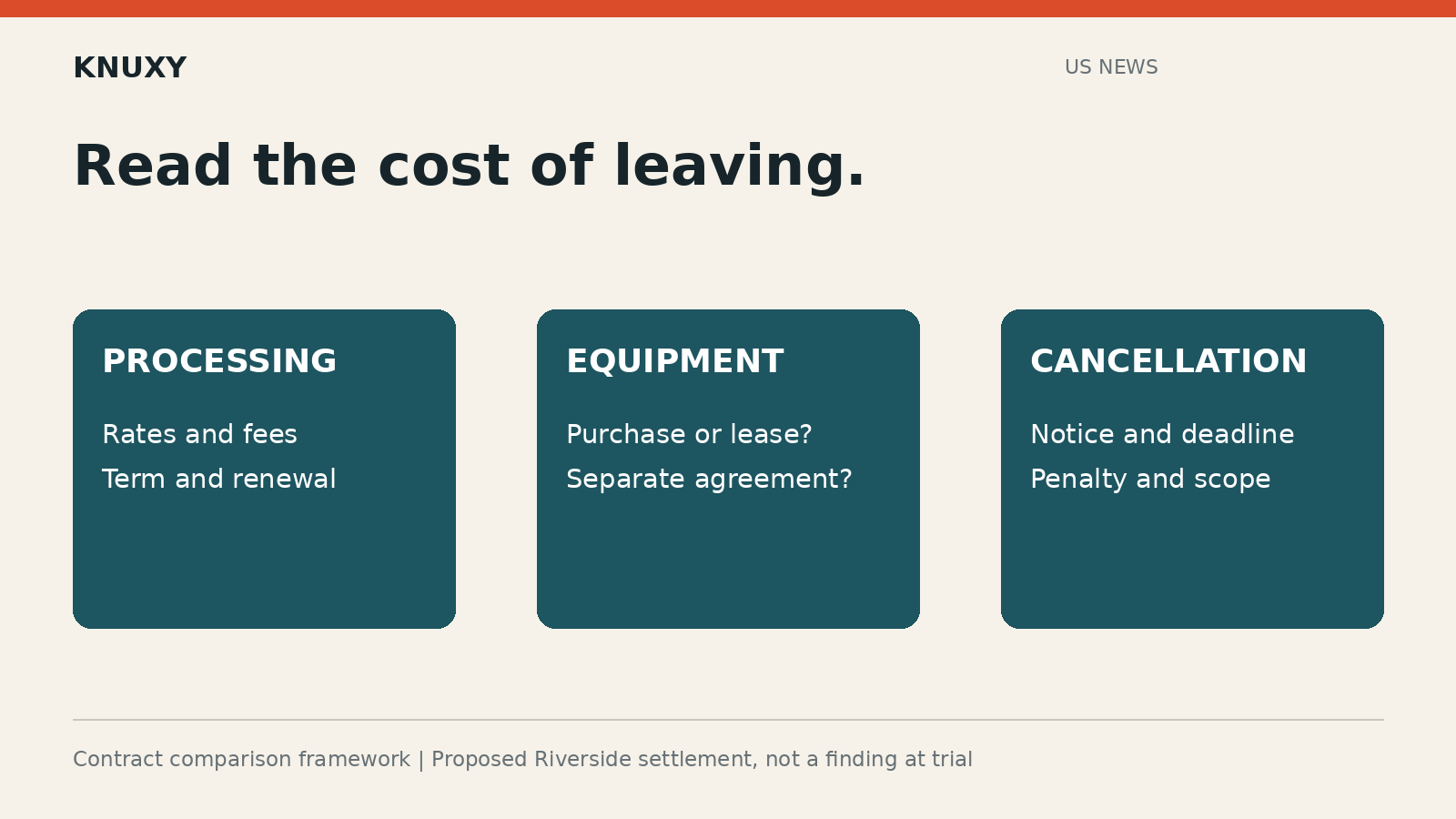
The Payment-Processing Deal That Made Leaving the Expensive Part
A proposed FTC and Washington settlement targets alleged savings and cancellation deception. Here is what small businesses should check.