
US News
The Payment-Processing Deal That Made Leaving the Expensive Part
A proposed FTC and Washington settlement targets alleged savings and cancellation deception. Here is what small businesses should check.
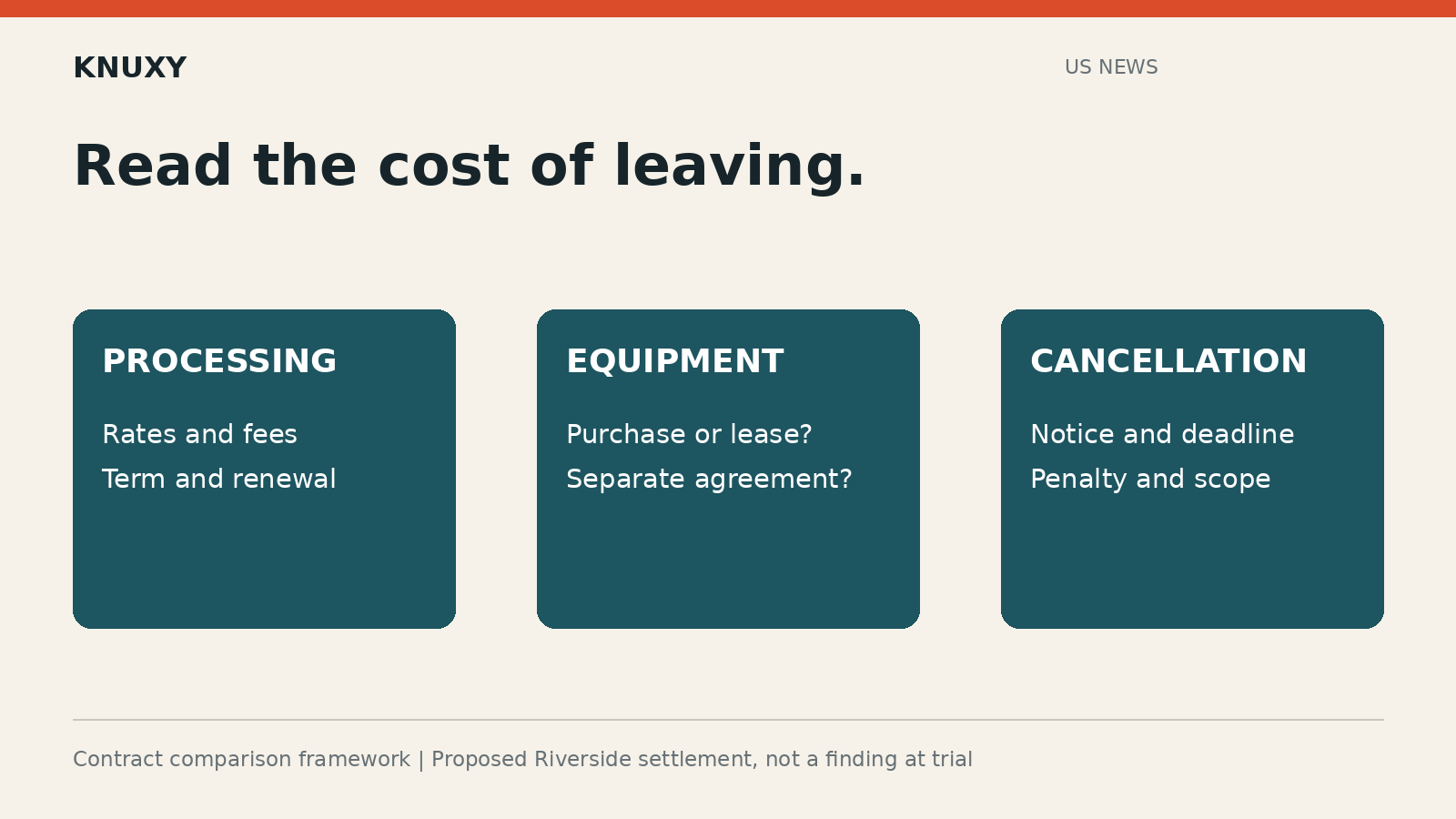
A cheaper payment-processing pitch is only as good as the contract it leaves behind. On November 2, the Federal Trade Commission announced a proposed settlement with Riverside Payments, its affiliate Cascade Equipment Leasing and their operators over allegations of misleading savings promises and difficult cancellation. The announced payment is $600,000. The case offers a useful warning about comparing a sales quote with an actual obligation.
The allegations remain allegations. The FTC describes a proposed stipulated order, and says such orders acquire the force of law when approved and signed by the district court judge. This article has not independently verified that approval. Businesses should not infer that a cancellation window has begun merely because they have read a settlement headline.
The cheap quote and the expensive exit
The FTC says its complaint challenges promised processing savings, omitted fees, automatic renewal terms and a $695 early-termination charge. It also describes equipment leases lasting longer than the processing agreements. Those details identify the central consumer problem: several linked agreements can be presented as one easy switch.
The Washington attorney general’s announcement separately describes the same enforcement action and says more than 300 Washington small businesses would be eligible for relief. That is confirmation from the other enforcement party, not an independent finding that every allegation has been proved at trial. Both sources should be read with the proposed status of the order intact.
For a business owner, the difference between a low quoted rate and a low total bill is hardly academic. A transaction rate answers one question. Activation charges, equipment payments, minimums, renewal dates and exit conditions answer others. A salesperson can put the most flattering answer in large type while the contract supplies the expensive ones elsewhere.
A comparison worth asking for in writing
Our practical recommendation is to build a one-page comparison before signing. List what is being bought, who provides each service, and which company can cancel it. Then add the initial term, renewal period, notice method, deadline and termination cost for every agreement. If a machine is leased separately, give that lease its own row.
This is an editorial checklist, not a finding that every provider uses abusive terms. A genuine service can cost money to supply, and a business may knowingly choose a longer commitment for a lower price. The relevant test is whether the obligation is understandable before the signature and reflected in the claimed savings.
Ask the seller to calculate the total cost using the same transaction mix and time period as the existing provider. Keep the assumptions beside the estimate. A comparison based on an unusually favorable month, or one that excludes a separate lease, is not much help when planning a year’s cash flow. Refusing to put a material promise in writing is a useful reason to pause.
What affected merchants should watch
The proposed order filed with the court includes customer notification and a 60-day opportunity to rescind merchant-processing agreements without an early-termination penalty. Read the official notice and applicable terms before acting. Do not simply stop payments or assume an equipment lease disappears alongside a processing account. The right next step depends on the agreement and the final, operative relief.
Preserve the original quote, signed documents, statements and cancellation correspondence. Those records let an adviser or enforcement agency compare what was promised with what happened. They also keep a dispute from becoming an exhausting contest between two memories of a sales call.
The larger point is not that small businesses should reject every sales pitch. It is that an advertised saving should survive the unglamorous questions. What is the full bill? How long does it last? How do I leave? A competitive market needs clear answers to all three. “Risk free” is an especially poor substitute for them.
More to explore
US News
FDA’s Formula Proposal Is a Rulemaking, Not a Recall
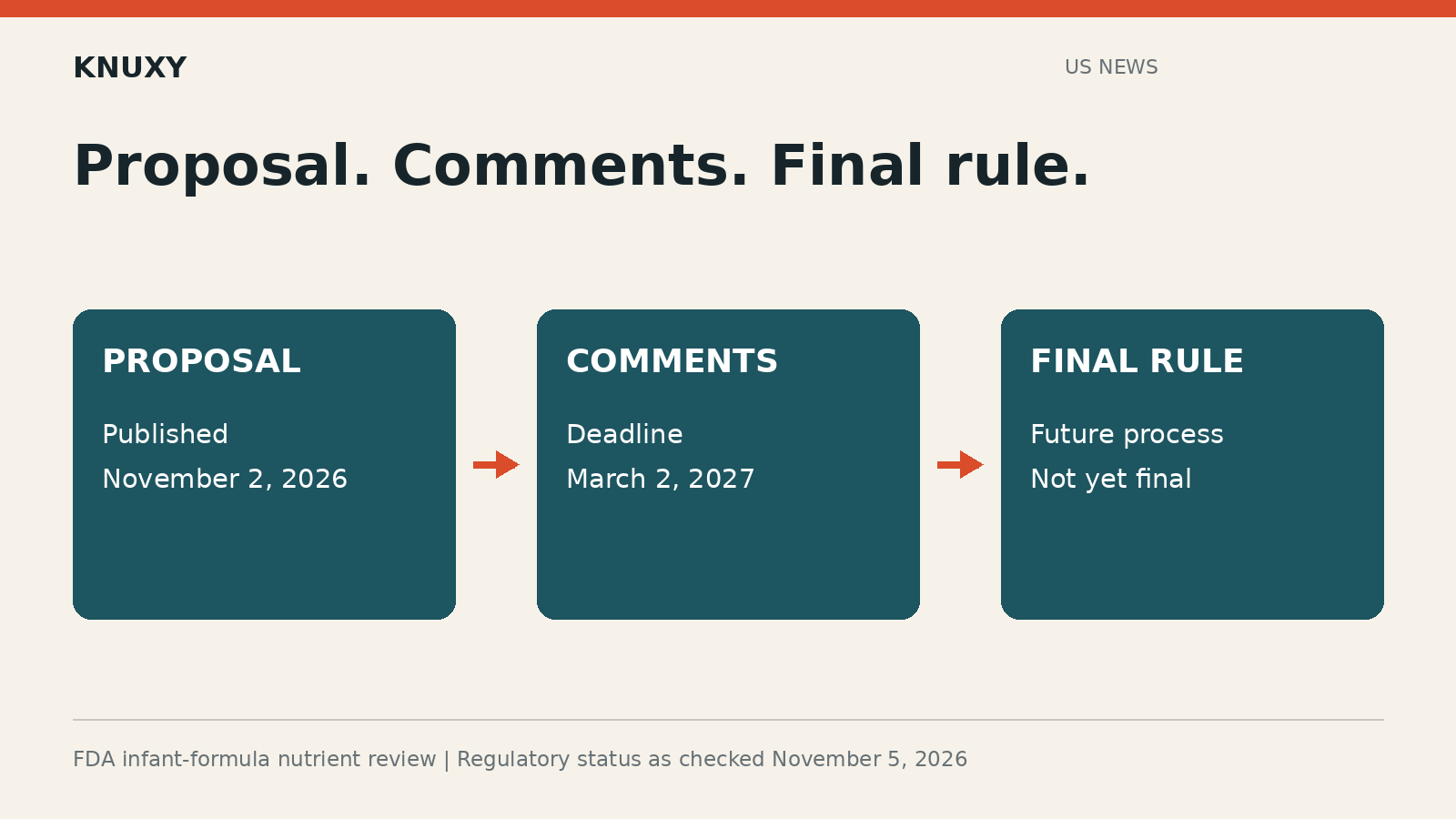
The published proposal would change several infant-formula nutrient requirements. Comments are due March 2, 2027; it is not a feeding instruction.
US News
Sunset Park’s Deadly Fire: What Is Known, and What Still Isn’t
Six deaths were reported after a Brooklyn house fire. Investigators have not established its cause; practical fire-safety checks remain urgent.
Sports
Celtics Fall in Houston: Start With the Fast-Break Gap
Boston’s winning streak ended in Houston. The box score offers useful questions about transition defense—and a warning about adding up overlapping statistics.