
Sports
NFL Week 9 Injuries: Who Is Out, and What Recovery Timelines Really Say
Jackson, Darnold, Huntley and Howell illustrate why confirmed absences, practice reports and recovery forecasts need separate columns.
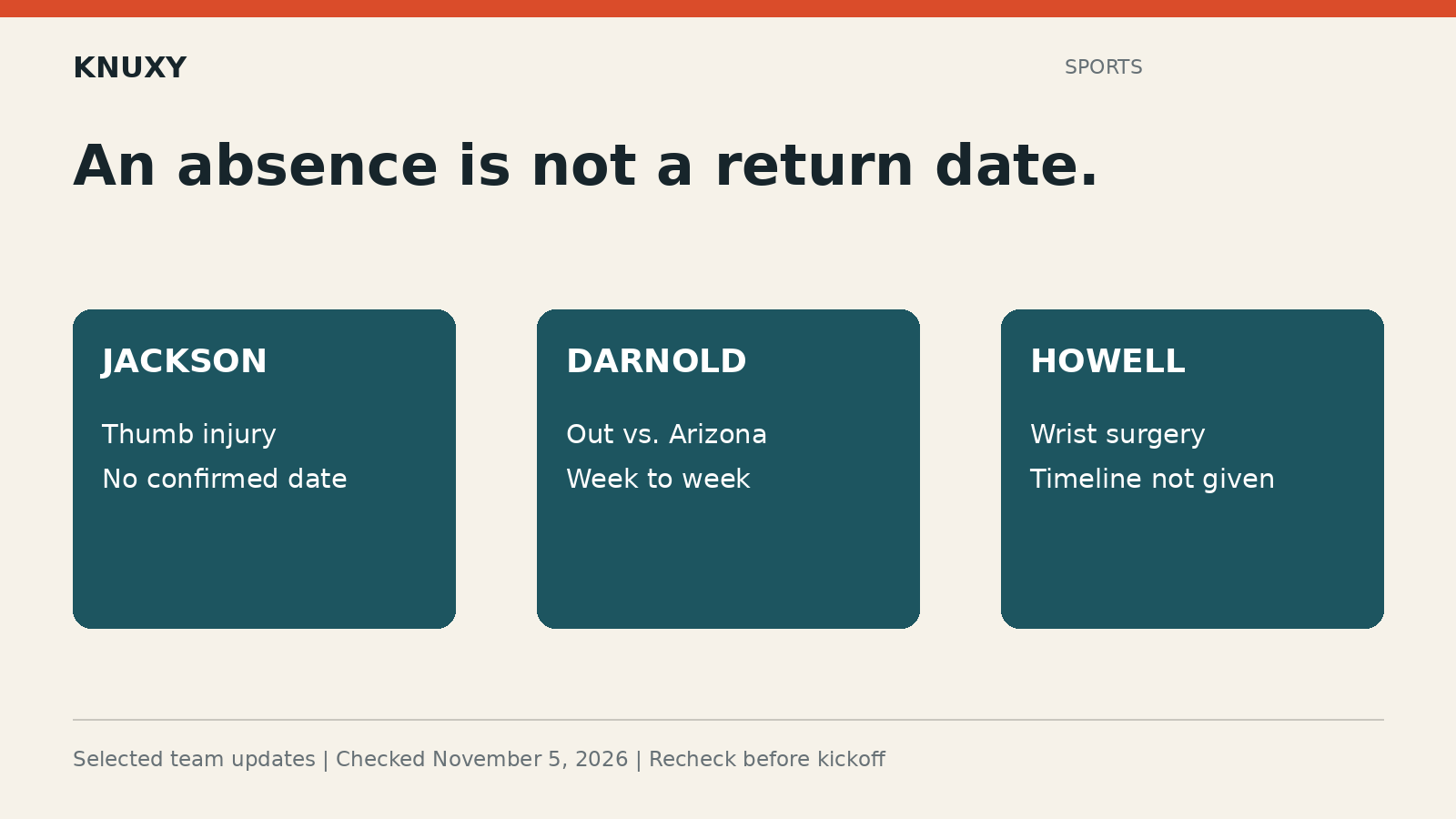
The NFL injury conversation has a calendar problem. A player is described as improving, and the next sentence somehow has him returning next Sunday. Ahead of Week 9, the useful distinction is between a confirmed absence, a coach’s expectation and a recovery date that nobody has actually supplied. The current quarterback situations in Baltimore and Seattle make that distinction unusually important.
Baltimore: a serious thumb injury, without a promised return
The Ravens’ November 1 account said Lamar Jackson injured his right thumb against Buffalo and was set for surgery and injured reserve. Coach Jesse Minter said the absence could potentially be season-ending. That is a possibility attributed to the coach, not a confirmed declaration that Jackson’s season is over.
The picture has since sharpened. In a November 4 report on the team website, Baltimore relayed ESPN reporter Adam Schefter’s account that tests showed Huntley’s turf-toe injury would end his season. That remains an attributed report. The same update says Minter named Joe Fagnano the starter against Jacksonville; Fagnano was managing an ankle injury but practiced fully Tuesday. Jackson’s precise return date remains unconfirmed. These are different situations, not interchangeable entries on a generic recovery clock.
For fans, the practical implication is to keep two separate notes: who is available for the next game, and what the club has confirmed about the longer absence. An emergency depth-chart solution answers the first. It does not establish when the original starter’s hand will tolerate professional football again.
Seattle: week to week is not next week
Seattle’s November 4 update rules Sam Darnold out against Arizona after a quadriceps injury. Mike Macdonald described him as week to week and said the club did not plan to put him on injured reserve. The coach also disclosed a fractured rib. The absence for the upcoming game is confirmed; a return the following week is not.
The Seahawks expect Drew Lock to start, but he has been managing an elbow injury. Their Wednesday report notes that practice was a walkthrough and participation designations were estimates. That qualification belongs beside the report. An estimated full or limited workload is different evidence from a player completing an ordinary practice at that level.
The strategic question is how the staff prepares multiple options while managing the expected starter’s workload. It is reasonable to watch later practices and the final game designation. It is not reasonable to diagnose the severity of an injury from a brief practice clip or turn the absence of an injured-reserve move into a medical guarantee.
Cincinnati: surgery does not come with an automatic stopwatch
The Bengals’ November 2 update says edge rusher Cashius Howell underwent wrist surgery. Zac Taylor did not offer a return timeline in that report. The same account described Cedric Johnson and DJ Turner II as day to day. Those statements support monitoring subsequent updates; they do not support assigning every player a date based on the body part mentioned.
How to read the next update
Use a simple hierarchy. First, check whether a team has ruled a player out for a named game. Next, read the date and type of practice report. Finally, distinguish the coach’s stated recovery expectation from speculation. The Chiefs’ published report defines limited participation and full participation separately from game designations such as questionable, doubtful and out. They answer different questions.
This is a selected status watch, not a census proving that the league has more injuries than last year. Establishing that would require comparable exposure and injury data. The immediate story is consequential enough without an invented epidemic: several teams are planning around uncertainty, and a careful report should preserve it. Recheck team reports before kickoff; this article reflects the official updates linked above, checked November 5.
More to explore
Sports
NASCAR’s Homestead Finale: The Title Can Be Decided Before the Finish
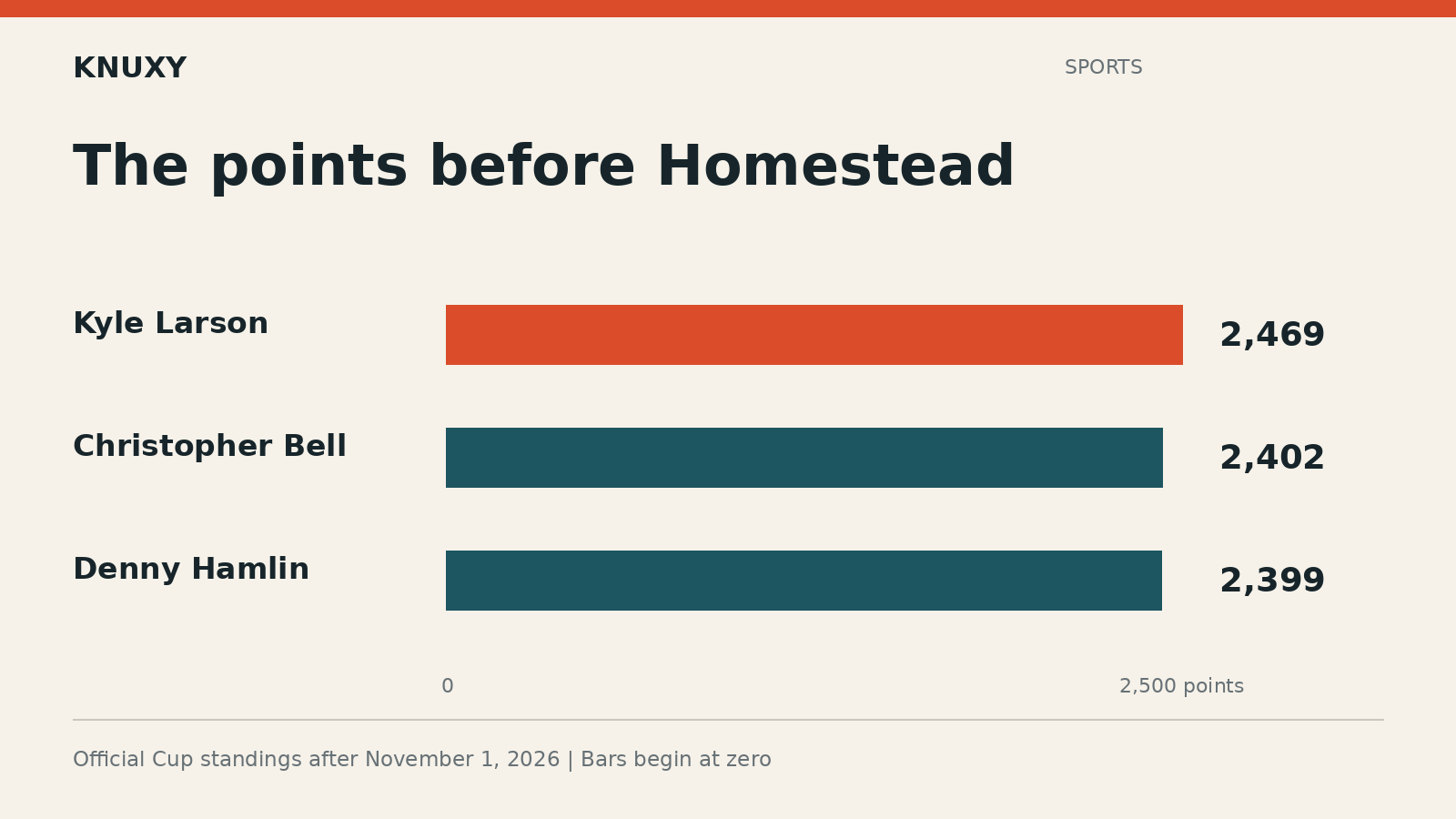
Kyle Larson leads the Cup standings by 67 points. The November 8 finale rewards watching stage points as closely as the checkered flag.
Sports
Celtics Fall in Houston: Start With the Fast-Break Gap
Boston’s winning streak ended in Houston. The box score offers useful questions about transition defense—and a warning about adding up overlapping statistics.
Food
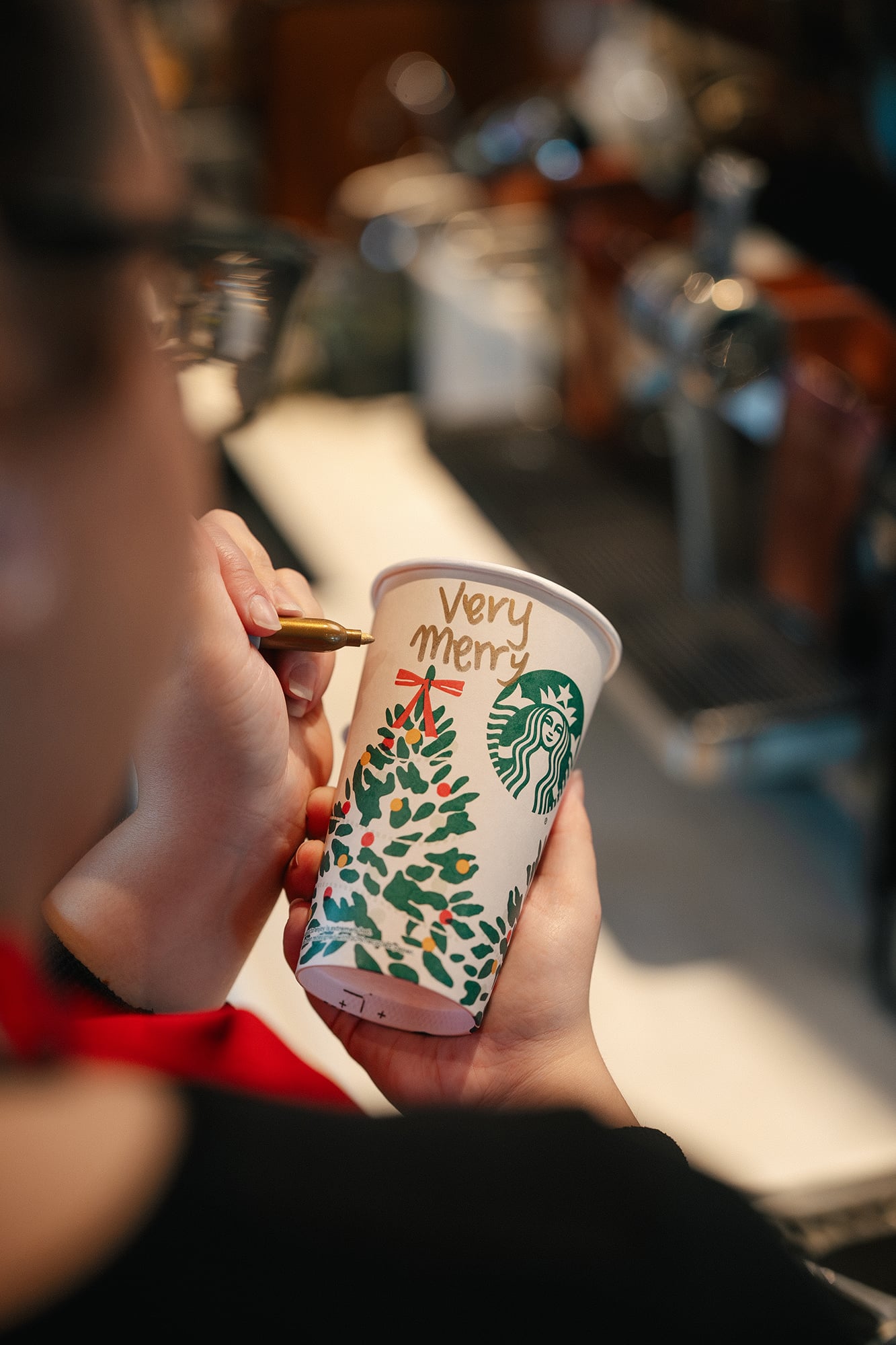
Starbucks’ Holiday Menu Arrives November 5. Red Cup Day Comes Later.
New drinks arrive November 5, but the reusable-cup promotion is a separate date. Here is what the announcement actually tells you.