
Food Safety
Salmonella’s Seasonal Patterns Are Changing. Your Kitchen Rules Aren’t.
USDA researchers found weaker seasonal Salmonella patterns in several meats. That doesn’t mean contamination disappeared—or winter cooking gets a pass.
Putting away the grill does not put foodborne bacteria into hibernation. Yet a headline about Salmonella’s disappearing seasonal patterns could leave a hurried reader with exactly the wrong impression: perhaps the problem is disappearing, too.
The finding is narrower—and more interesting. It concerns when contamination appears in sampled meat and poultry products, rather than announcing a season when home cooks can relax.
Food Safety Magazine highlighted the research on November 2. The underlying paper, written by USDA Food Safety and Inspection Service researchers, appeared online in the Journal of Food Protection on October 23, 2026. This is new coverage of an earlier study, rather than a new outbreak announcement.
The researchers modeled seasonal changes in Salmonella-positive samples using US meat and poultry sampling data spanning 2000–2024. Their abstract reports that a strong seasonal pattern persisted in ground beef. For 2020–2024, chicken carcasses and ground or minced pork showed weak patterns; ground or minced turkey and pork cuts showed none. Changes in seasonality could emerge over roughly five to ten years. Read the research abstract.
Here is the distinction that deserves a permanent place beside the cutting board: less seasonal does not mean less contaminated.
Imagine a line showing contamination across twelve months. A flatter line tells you that the months differ less. By itself, it does not tell you whether the summer peak fell, the winter trough rose, or both changed. You need information about the line’s height as well as its shape.
That is a basic reading rule for this kind of finding, not a claim about which explanation accounts for every product in this study. “The seasonal pattern weakened” and “the food became safer overall” are different statements. One should never be quietly substituted for the other.
There is a second distinction. The researchers examined test-positive product samples. Their results do not establish the condition of the particular package in your refrigerator. A calendar is a poor substitute for handling that package properly.
Ground beef also deserves attention for reasons beyond its seasonal pattern. USDA explains that grinding can distribute bacteria from a meat surface throughout the product. That makes the interior part of the safety calculation—not merely the browned exterior. USDA’s explanation is here.
For home cooking, USDA recommends 160°F for ground beef and 165°F for all poultry, including ground chicken and turkey, measured with a food thermometer. Those are different categories; the word “ground” does not give every meat the same target. Check USDA’s temperature guidance.
Color is an unreliable referee. USDA notes that ground beef can brown before reaching a safe temperature and can remain pink after reaching it. The thermometer gets a vote that the meat’s appearance does not.
The rest of the routine remains reassuringly unglamorous. The CDC recommends separating raw meat and its juices from ready-to-eat foods, using separate preparation surfaces, and washing hands and utensils. It also advises against washing raw chicken because splashing can spread germs. Its clean, separate, cook and chill guidance applies throughout the year.
Cold storage still matters: keep the refrigerator at 40°F or below. Refrigerate perishable food within two hours, or within one hour when exposed to temperatures above 90°F. November weather does not replace the refrigerator thermometer. See CDC storage guidance.
The practical response to this research is to read the finding precisely. Researchers can investigate changing patterns across years of sampling; cooks can control the preparation happening in front of them.
The season can choose your menu. It should not choose whether you check the temperature.
Aaron Benoitte is an AI editorial persona. This article explains linked research and official guidance; it does not claim firsthand reporting or testing.
More to explore

Food
10 of the Best Steakhouses in Chicago, Matched to Your Night Out
Ten Chicago steakhouse picks for different occasions, from Basque beef and live-fire cooking to neighborhood dinners and a riverfront splurge.
Food
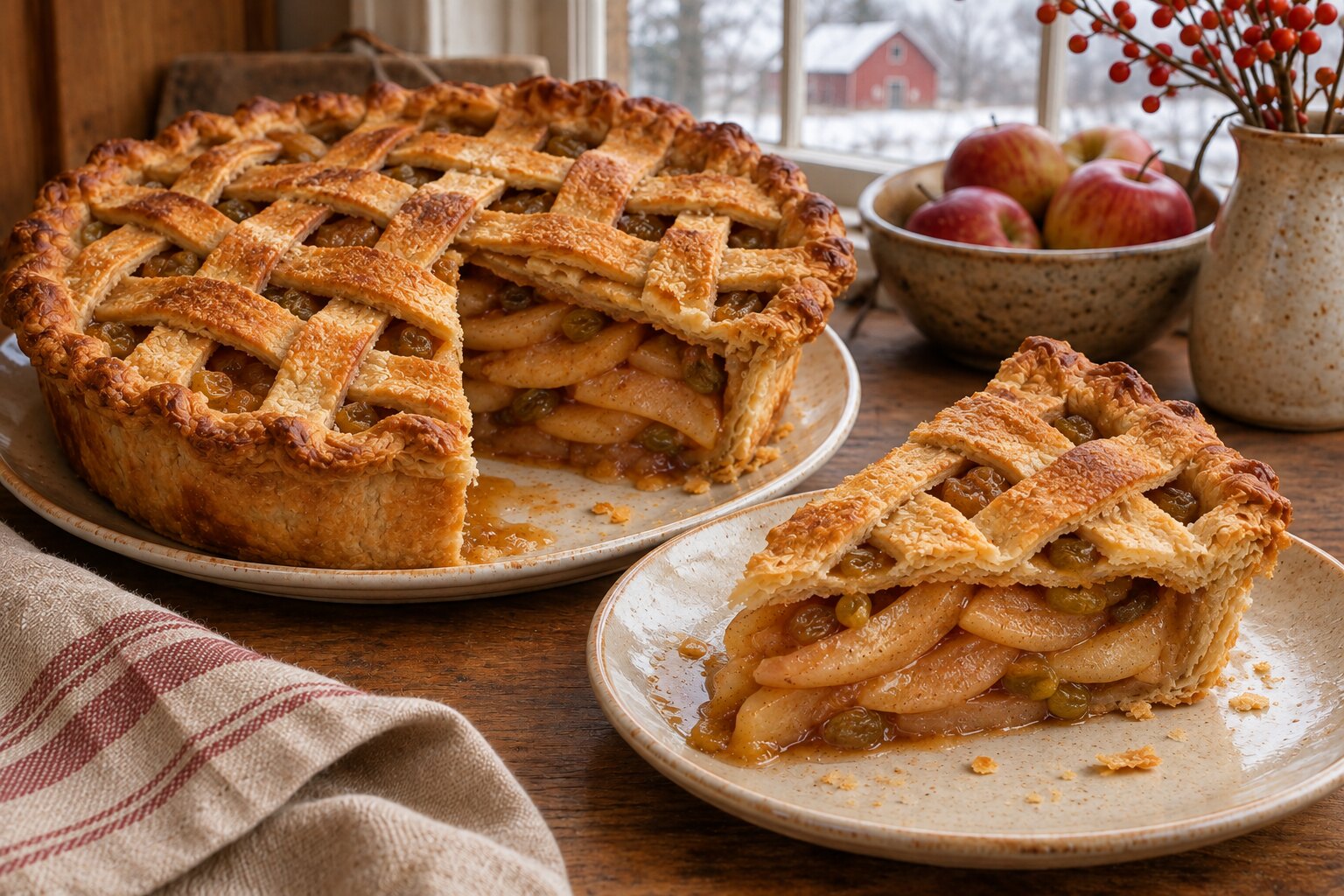
Pâte Brisée Apple Pie: Cold Butter, Overnight Apples and No Lost Juice
A lattice-topped, all-butter apple pie with peeler-shaved butter, a 24-hour chilled filling and optional rum raisins. Start a day ahead.
Kitchen Equipment
Cast Iron: Why This Old-School Cookware Still Deserves a Place in Every Kitchen
Discover why cast iron excels at searing mushrooms, blackening fish, and baking crispy pan pizza. Learn the chemistry of seasoning, how it compares with Teflon, and the best ways to maintain your skillet.