
Food
Turkey Gravy from the Drippings: Smooth, Savory and Properly Seasoned
Separate the fat, loosen the browned bits and whisk a simple roux. Taste cooked drippings before adding salt—especially with a pre-brined bird.
Jump to recipe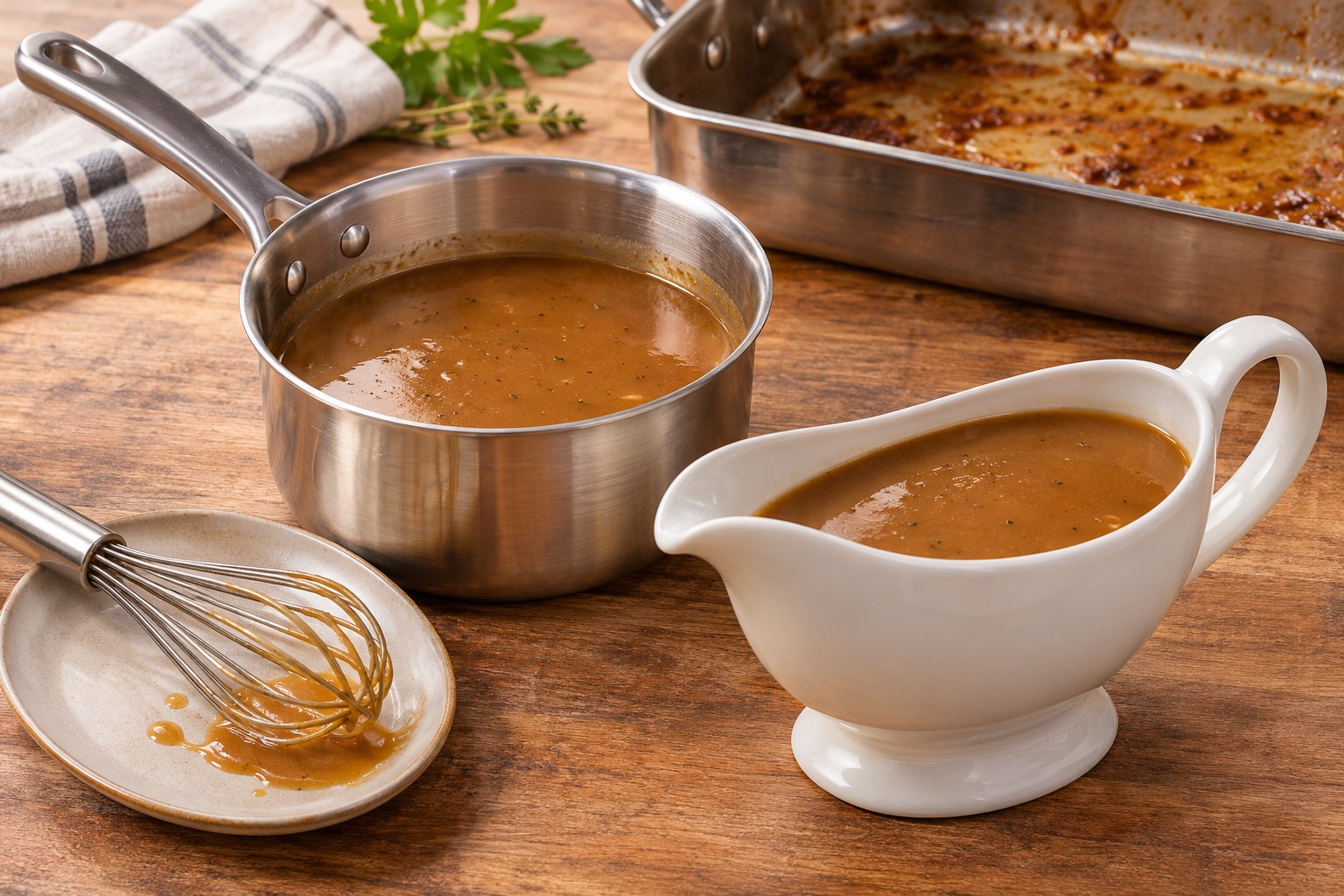
The turkey's resting interval is enough time to turn the roasting pan into a saucepan of gravy. The useful ingredients are already there: rendered fat, savory juices and browned bits clinging to the pan. Treat them separately and you can control the texture and seasoning instead of hoping the entire panful is the right balance.
Separate fat from juices
Pour the drippings from the fully cooked turkey through a strainer into a heatproof jug or fat separator. The fat rises; the darker liquid beneath it supplies concentrated turkey flavor. Use the fat to cook the flour. Count the juices as part of the gravy's liquid.
Golden-brown fond is valuable. Burnt-black deposits are bitter and should stay out of the gravy. Do not put a roasting pan directly on a burner unless the manufacturer says it is suitable for that use. You can loosen browned bits with hot stock off the heat, then transfer the liquid to a saucepan.
Butterball drippings can make good gravy
Butterball itself publishes recipes using its turkey drippings. The decision is how much of your particular batch to use. Pre-brined, enhanced and kosher birds already contain salt; an additional brine, salted stock or heavily seasoned pan can concentrate it further.
Bring the cooking juices to a full boil before tasting them. If pleasantly seasoned, include them generously within the recipe's measured liquid. If aggressively salty, start with mostly unsalted stock and a small amount of drippings. You can use unsalted butter for some or all of the fat. Do not add salt until the finished gravy has been tasted.
If the finished gravy is too salty, dilute it with an unsalted gravy base or stock, then adjust its thickness. Butter or a potato cannot reliably remove dissolved salt; adding more ingredients changes the balance by dilution.
A dependable saucepan method
The recipe below makes about 3 cups of medium-thick gravy from 6 tablespoons each of fat and flour. The liquid quantity is the total of stock and cooking juices combined. Keeping that measurement clear prevents the common mistake of adding a full recipe's worth of stock on top of a large jug of drippings.
Cook the flour in the fat before slowly whisking in hot liquid. If lumps appear, whisk vigorously and strain at the end. If the gravy is too thick, add unsalted stock a little at a time. If thin, simmer gently for a few more minutes, remembering that it will thicken somewhat as it cools.
Serve it with the turkey you chose
Use this gravy alongside the whole roast turkey, spatchcocked turkey or herb-butter roulade. With a small breast roast there may be fewer drippings; the stock-and-butter option still gives you a proper gravy.
Keep the gravy hot for serving and refrigerate leftovers promptly in a shallow container. Use refrigerated gravy within 1–2 days or freeze it. This is an editorial recipe method, not a claimed firsthand kitchen test.
Turkey Gravy from the Drippings: Smooth, Savory and Properly Seasoned
- Prep
- 10 minutes
- Cook
- 15 minutes
- Total
- 25 minutes
- Servings
- 6
Ingredient quantities scale with servings. Cooking times, temperatures, and equipment stay as written.
Equipment
- Heatproof measuring jug or fat separator
- Fine-mesh strainer
- Medium saucepan
- Whisk
Ingredients
Instructions
Separate the drippings
After the turkey is fully cooked, transfer it to a clean board to rest. Pour pan drippings through a strainer into a heatproof jug or fat separator. Let the fat rise. Reserve fat and the darker juices separately. Discard burnt-black residue; browned fond can be used.
Build the liquid
Loosen browned bits in the roasting pan with a little hot unsalted stock and scrape gently, keeping the pan off direct burner heat unless its manufacturer permits it. Transfer this liquid to a saucepan with the reserved juices and bring to a full boil before tasting. If salty, use only a little and add more unsalted stock. Measure 3 cups of combined liquid; keep hot.
Cook the roux
In a clean medium saucepan melt 6 tablespoons of reserved turkey fat and/or unsalted butter over medium heat. Whisk in 6 tablespoons of flour. Cook, stirring, for about 3 minutes, until smooth and light golden. Do not let it scorch.
3 minutes
Whisk and simmer
Whisk in the hot measured liquid gradually, beginning with small additions and whisking smooth each time. Bring to a gentle boil, then simmer, stirring, for about 8–10 minutes until the gravy coats a spoon and the raw-flour taste is gone. Thin with extra unsalted stock if necessary.
10 minutes
Season and serve
Taste the cooked gravy, then add pepper and salt only if needed. Add fully cooked carving juices, reheat thoroughly, and strain if you want a particularly smooth finish. Serve hot. Promptly refrigerate leftovers in a shallow container within 2 hours, or within 1 hour above 90°F; use within 1–2 days or freeze.
Notes
Makes about 3 cups, or six ½-cup servings. With Butterball, enhanced, kosher or separately brined turkey, taste boiled cooking juices before deciding how much to include. Too-salty drippings are optional flavoring; unsalted stock and butter can carry the gravy. Amounts may be scaled while preserving the fat/flour/liquid ratio. Editorial method, not a claimed kitchen test.
More to explore
Food
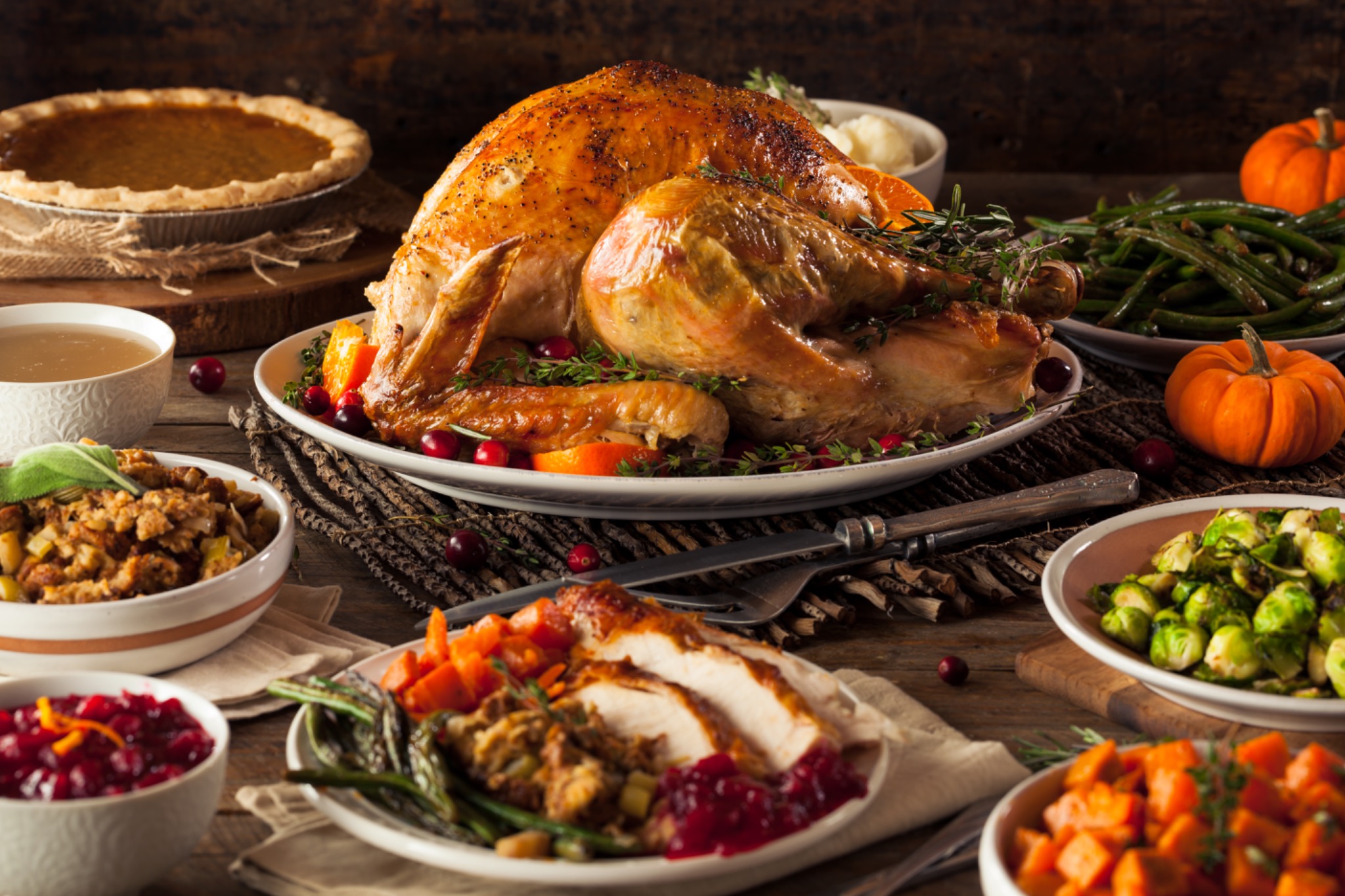
How to Roast a Perfect Turkey: Crisp Skin, Juicy Meat and Good Gravy
Choose the right bird, plan the thaw, decide whether to brine, and roast with confidence—plus foil tenting, resting and gravy from the drippings.
Food
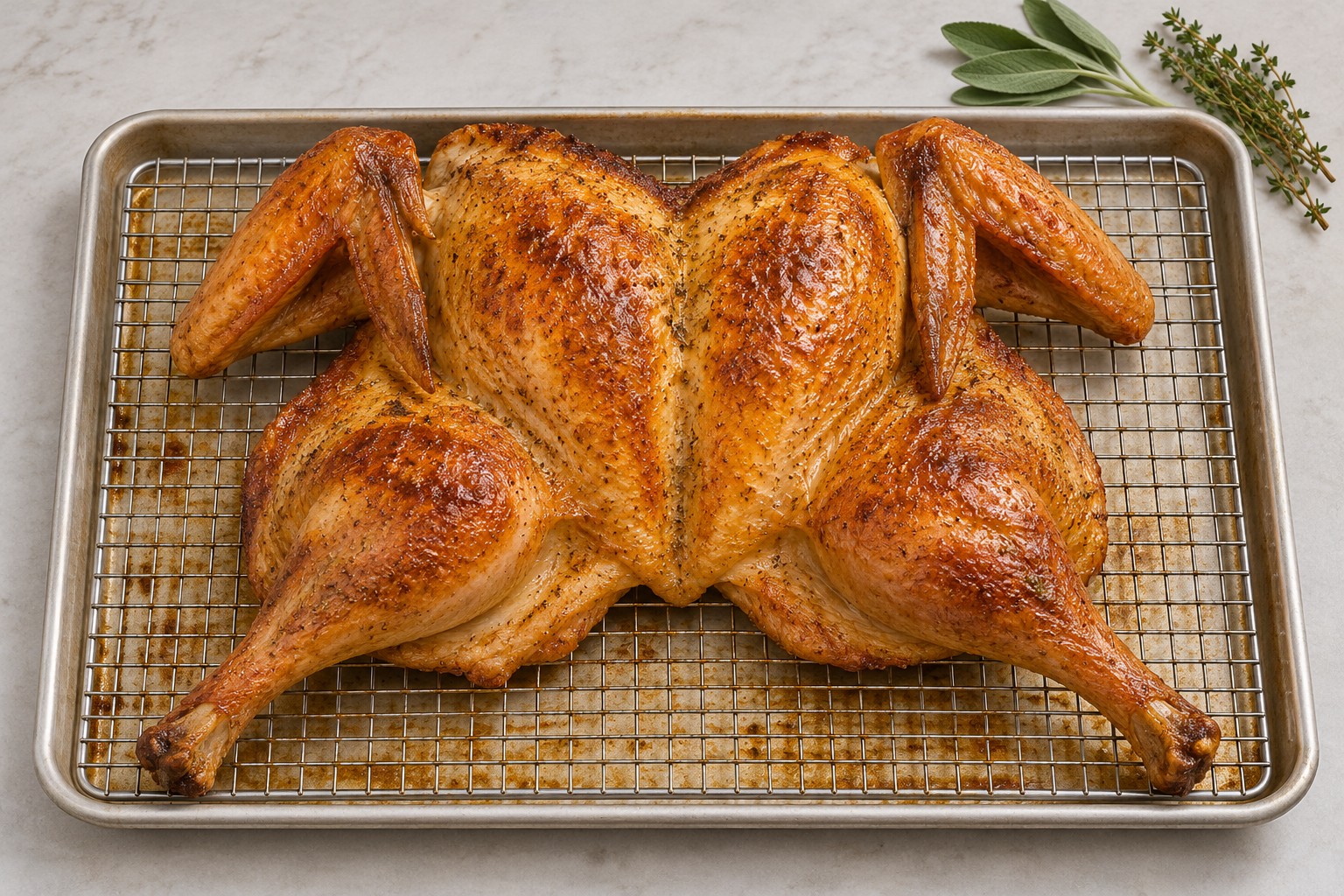
Spatchcock Turkey: A Flatter Roast for Crisp Skin and Easier Timing
Flatten a fully thawed turkey, season it with herb butter and roast it on a wide rack. Temperature checks keep the shorter cooking time honest.
Food
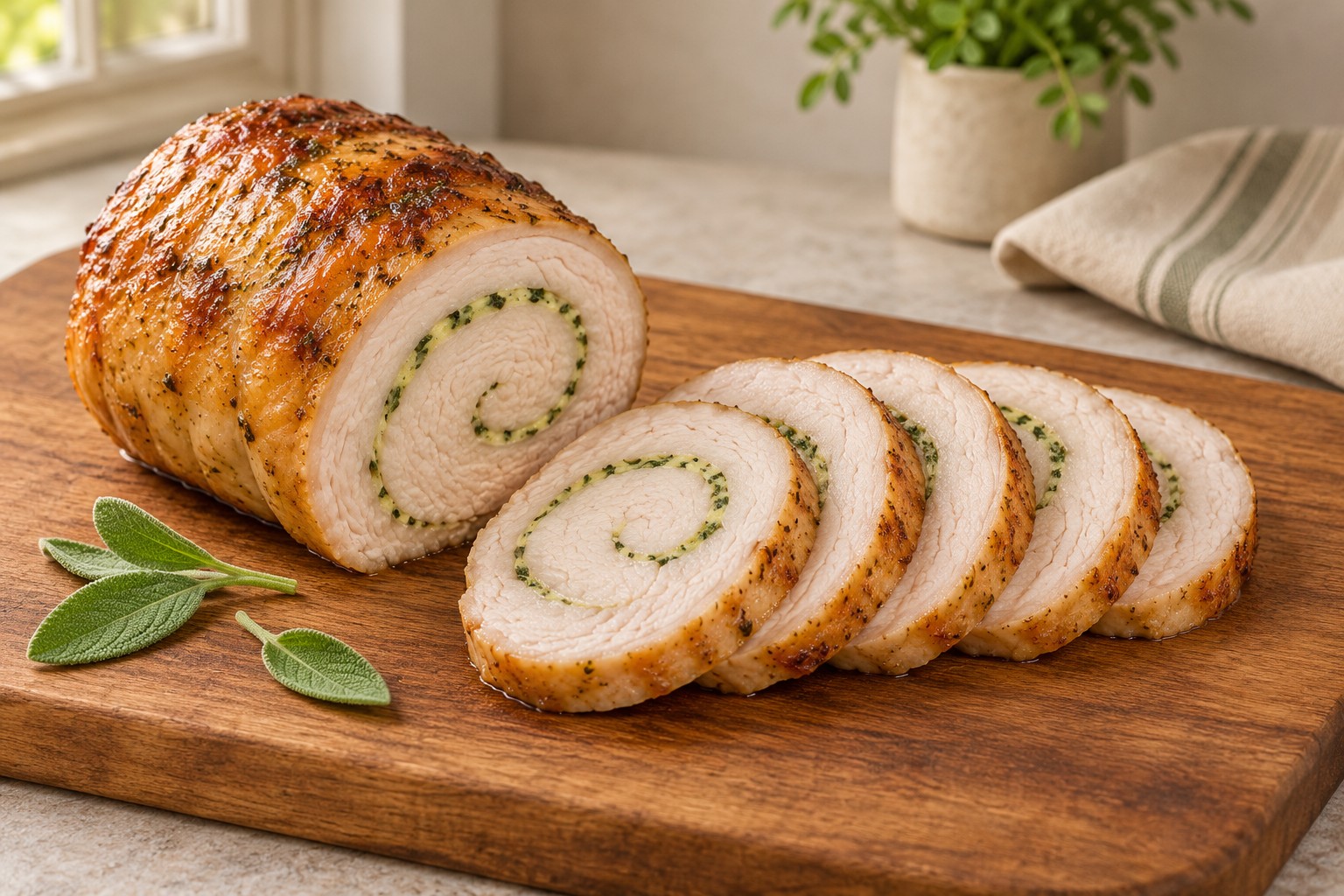
Herb-Butter Turkey Roulade for a Smaller Thanksgiving Table
A boneless breast rolled with sage, parsley and lemon makes tidy slices and a manageable roast. Ask the butcher to do the boning and butterflying.